

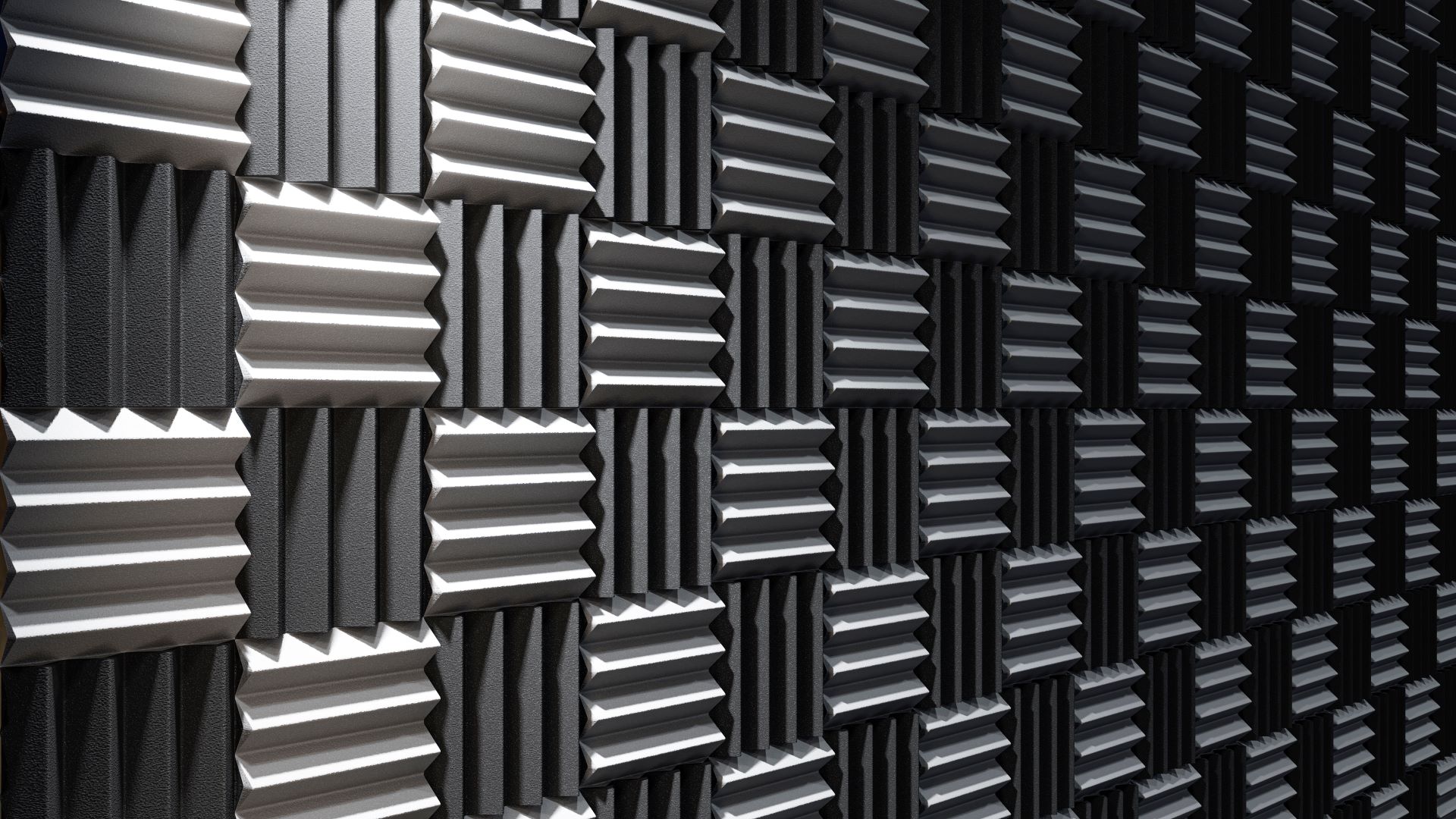
So, you’ve made the smart decision to invest in sound-absorbing panels. Well done. Whether it’s to stop your video calls from sounding like you’re in a cathedral or to make your Netflix marathons feel a bit more cinema-like, sound dampening panels can work wonders in a home environment.
But here’s the thing most people overlook: It’s not just about buying them—it’s about knowing where to put them.
Install them randomly, and you might not notice much of a difference. But get the placement right? Even a few well-positioned acoustic treatment panels can dramatically improve your room’s sound quality, whether you’re working, relaxing, or entertaining.
Let’s break it down, step by step, in plain English.
First Things First: What Problem Are You Solving?
Before diving into placement, it helps to understand what kind of noise issue you’re tackling.
There are typically two types of sound-related headaches at home:
1. Echo and Reverberation
Ever walked into a room that felt ‘hollow’ or too loud, even when nobody’s shouting? That’s likely echo or reverberation. Common culprits include hard floors, glass windows, and minimal furnishings.
2. Sound Transmission
This is when sound travels between rooms or, worse, from outside in. Panels won’t make your room soundproof, but they can definitely dampen noise reflections and cut down the feeling of chaos.
Once you know the issue, you can start placing your panels strategically rather than guessworking it.
Key Places to Install Acoustic Panels at Home
1. First Reflection Points (Especially in Media Rooms or Home Offices)
If you’ve got a sound system, speakers, or even just your laptop on the desk, the first places sound bounces are the side walls, ceiling, and rear wall. These are called reflection points, and they matter more than you might think.
Try this trick: Sit in your usual spot and have someone slide a mirror along the wall. Where do you see the speaker reflected in the mirror? That’s a first reflection point—stick a panel there.
Best spots to cover:
- Side walls at ear level
- Ceiling above your work desk or sofa
- Rear wall (especially if it’s blank and hard)
This setup works wonders in reducing muddiness and making everything sound clearer.
2. Opposite Walls in Echoey Rooms
In large or open-plan areas—like a living-dining combo or kitchen-lounge setup—sound tends to bounce across the room between flat surfaces. It creates that noisy, chaotic feeling, especially when there are kids, guests, or appliances going.
What helps:
- Place panels on both opposing walls
- Add ceiling panels if the space has high or flat ceilings
- Break up large wall areas with decorative acoustic designs or fabric-wrapped boards
It doesn’t need to be symmetrical—just balanced enough to stop the ping-pong effect.
3. Behind the Source of Noise
This one’s often overlooked. If your room has a specific sound source—like a home studio, piano, or even a particularly noisy workstation—treating the wall behind that source helps contain the sound before it floods the rest of the room.
Try it:
- Behind your monitor or TV setup
- Behind musical instruments
- Behind your child’s desk or study zone
It’s especially helpful in compact flats where one room has to serve multiple purposes.
4. Corners: The Sound Traps You Didn’t Know You Had
Sound—especially lower frequencies like bass—tends to build up in corners. If your room often feels “boomy” or has that weird vibration when someone’s watching an action film, you may need corner treatment.
Options include:
- Installing triangular bass traps (thicker panels designed for corners)
- Running vertical panels from floor to ceiling
- Using wall-to-wall slat panels that wrap into the corners
It’s a small tweak that makes a big difference, especially in small rooms or studios.
5. Ceiling Areas You Can’t Ignore
Hard ceilings are a major reason open spaces sound harsh. Think kitchens, dining areas, and rooms with high ceilings—sound just bounces around like it’s got nowhere else to go.
Here’s where acoustic clouds or ceiling baffles come in.
They’re especially good for:
- Dining rooms (where chairs scrape and voices carry)
- Living rooms with high ceilings or large windows
- Lofts and mezzanine-style apartments
You can match them to your ceiling colour so they disappear, or make them a feature with bold tones.
6. Stairwells and Hallways
Got a double-volume stairwell or long hallway? Those spaces may look impressive, but they tend to echo like crazy, especially if they’re tiled or bare.
Fixes:
- Line one side of the wall with felt or fabric panels
- Use vertical strips to visually stretch the space while softening sound
- Hang decorative acoustic art pieces that serve double duty
This is also a great way to add texture and interest to otherwise blank zones.
7. Bedrooms and Sleep Spaces
You might not think of your bedroom as needing acoustic help, but a few panels can:
- Help you sleep more peacefully
- Muffle traffic or neighbour noise
- Add a soft, relaxing atmosphere
Where to place them:
- Behind your headboard
- On the wall facing your window (especially if you get outside noise)
- On the door or hallway-facing wall, if sound leaks in from the rest of the flat
You’ll thank yourself the next time someone in the family has a late-night Zoom call.
How Many Panels Do You Really Need?
This depends on your room size and acoustic goals—but generally speaking:
- Home offices: 4–6 panels can do the job
- Living rooms: Around 6–10, depending on size
- Studios or media rooms: 10+, with corner and ceiling treatment
- Bedrooms: 2–4 well-placed panels are often enough
Start small, place them well, and build up as needed. Think quality of placement, not just quantity.
Bonus Styling Tips (So They Don’t Look Like Gym Mats)
- Match your panels to your wall colour or curtains for a sleek look
- Or go bold with contrasting colours or patterns, especially in creative spaces
- Choose geometric shapes like hexagons or waves to create wall art
- Use framed or upholstered panels for a softer, more decorative finish
You can also explore panels that double as pinboards, art pieces, or even headboards—function and form, all in one.
Final Thoughts: Get Strategic, Not Just Stylish
Acoustic panels can really transform how your space feels—but only if they’re placed with intention. So take a moment to listen to your space (literally), note where sound lingers or bounces, and position your panels where they’ll work the hardest.
With a little planning—and the right placement—you can turn your echoey flat into a calm, quiet haven. And yes, it’ll still look fantastic.
