

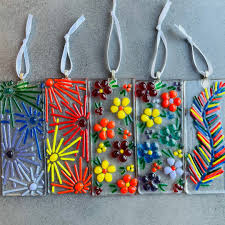
Numerous hobby creators enjoy this craft because it mixes creativity with careful technique. Beginners usually start with small decorative pieces, learning how different layers melt together inside a kiln. Reliable materials make early practice easier, which is why many creators choose Hollander glass art supplieswhen collecting tools for their first projects. With patience, clear planning, and steady handling, this creative method transforms simple materials into detailed decorative objects while building useful crafting skills over time.
Understanding the Core Process
Glass pieces join through controlled heat inside a kiln, creating solid forms for decoration or daily use, giving craft lovers a practical method to transform simple sheets into artistic objects.
Planning the Design Layout
Clear planning improves results because arranged layers melt together during firing, helping creators shape plates, panels, and ornaments while learning patience, careful placement, balanced spacing for neat surfaces, and lasting visual appeal.
Essential Materials for Creative Work
Basic equipment includes compatible sheets, cutters, protective gloves, kiln paper molds, temperature controlled kiln, plus small fragments used for texture during creative assembly that support neat layered surfaces and steady heating.
|
Tool |
Purpose |
Benefit |
|
Glass sheets |
Base material |
Forms layered designs |
|
Cutter tool |
Shape pieces |
Clean accurate edges |
|
Kiln paper |
Surface protection |
Prevents sticking |
|
Kiln |
Controlled heating |
Enables proper fusion |
|
Safety gear |
Protection |
Reduces injury risk |
Preparing the Glass Pieces
Preparation begins with sketching a layout, selecting colors, measuring shapes carefully, before cutting pieces, ensuring edges align properly during heating, which prevents distortion, cracks, uneven surfaces, improving structural stability, and visual clarity.
Accurate Cutting Methods
Cutting requires steady pressure using a scoring tool, then gentle separation, creating shapes that match the planned layout while reducing waste, maintaining smooth edges for later firing, giving better alignment and neat results.
Arranging Layers Before Heating
Layering pieces over kiln paper forms the design where fragmentary powder sheets combine gradually, preparing a structure before heat bonds them into a unified glass artwork with depth, texture, color contrast, and appeal.
Heating and Cooling Stages
Firing cycle raises temperature slowly, allowing materials to soften, merge, and settle while controlled cooling prevents stress, ensuring the finished object remains stable, durable, suitable for decoration, display, creative projects, learning practice, and growth.
Beginner Project Development
Beginners gain confidence through small projects such as tile pendants, simple panels, which build skill awareness about compatibility, heating schedules, safe handling, improving control, design balance, patience, and creativity, progressing gradually.
Artistic work with heated sheets grows through patience, careful planning, and steady practice. Makers refine technique by observing melting behavior, adjusting layouts, and recording kiln results. Gradual learning builds confidence, turning simple materials into striking decorative objects. Reliable sources such as Hollander glass art supplieshelp maintain material consistency, which improves project outcomes.
